
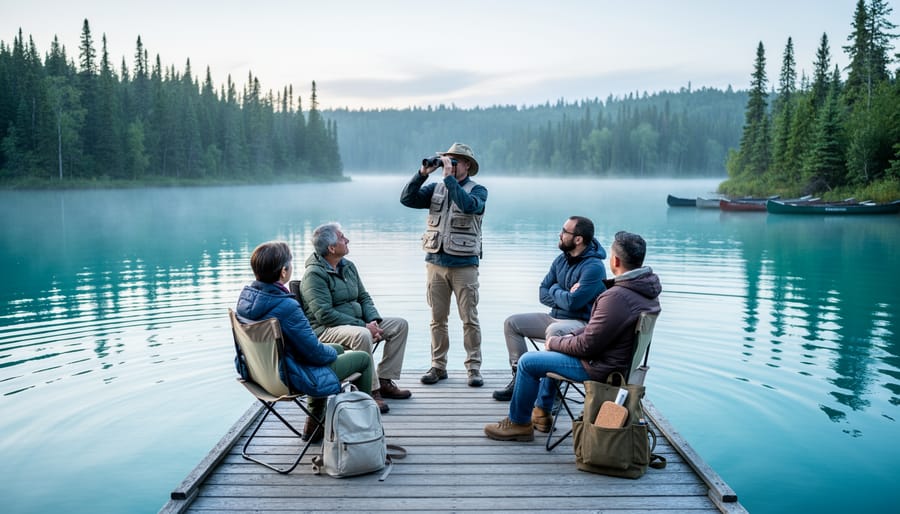
What Are Weed Experiences (and How Do Weed Tours Work in Northern Ontario)?
A weed experience in Northern Ontario is a guided or hosted outing that introduces visitors to cannabis in a legal, structured setting, usually pairing local knowledge of the plant with the landscape around it. Think of a walk through boreal forest where your guide explains how Indigenous communities have long understood plants as medicine and teachers, followed by a conversation about responsible use, or a visit to a licensed retail shop where staff talk you through products the way a good outfitter talks you through gear.
Here’s why it matters for your trip. Canadian law allows adults to purchase and use cannabis, but the rules shift by province, by property, and by border. You can’t carry it across the U.S. line, and many lodges, parks, and rentals restrict where you can consume it. A well-run experience sorts all of that out before you’re standing in a parking lot wondering what’s allowed.
This article explains what these experiences are, how they work from booking to wrap-up, and the main types you’ll find across the North. We’ll also look at how they fit alongside paddling, hiking, and cultural visits, and how the best operators keep the land and local customs front and center. Think slow mornings, clear water, and a plan that respects both the law and the place.
What a Weed Tour Means for Travelers
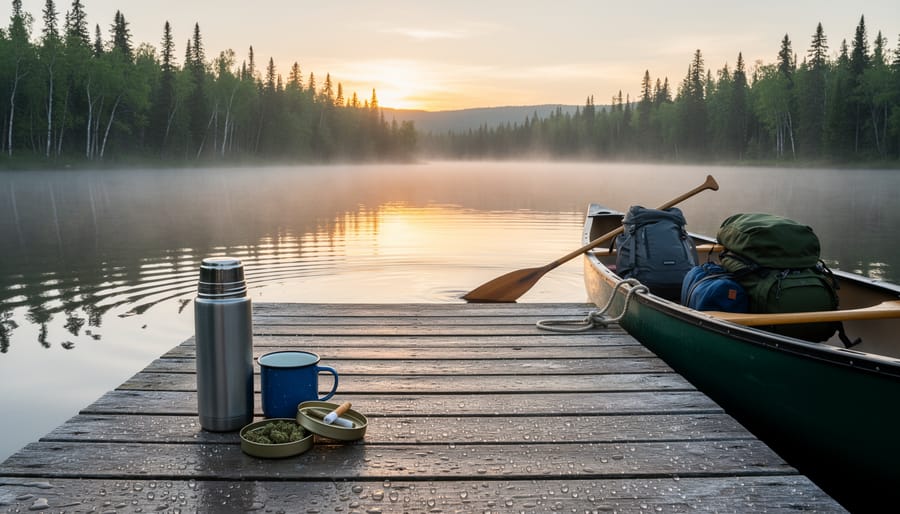
Picture a weed tour as a guided, educational travel stop, not a night out. A knowledgeable host walks you through how cannabis is grown, sold, and understood, and you leave knowing more than when you arrived. Think of it as a farm tour or a brewery visit, minus the free-for-all. In the wider world of weed experiences, it sits alongside wellness workshops, cannabis-themed cooking, and cultural outings that treat the plant as a subject worth learning about.
What it usually includes: visits to licensed growers or retailers, education sessions on labels and product types, and cannabis-themed wellness or cultural outings. What it isn’t: a consumption free-for-all or a party tour. Rules vary by operator and location, so confirm details directly before you book.
Canada is a natural home for this kind of travel because cannabis has been legal nationally since 2018, with a regulated system of licensed producers and provincially overseen retail. That framework gives visitors clear ground rules and gives operators something solid to build on. It’s also why a conversation about cannabis in a small northern town can be as matter-of-fact as one about fishing licences, and it opens the door to learning from local businesses beyond the big cities.
A few terms you’ll hear along the way:
- Licensed producer
- A business federally authorized to grow and sell cannabis under Canadian law.
- Budtender
- Retail staff who help customers understand products, strains, and labels.
- Terpenes
- Aromatic compounds in the plant that shape its scent and flavour.
- Provincial authorization
- The provincial approval a retailer needs to legally sell cannabis in its jurisdiction.
Knowing this vocabulary makes a guided visit far more rewarding. You’ll follow the conversation, ask sharper questions, and spot the difference between a thoughtful operator and a gimmick. For adventurous travelers heading north, it’s one more way to understand how the region’s communities and businesses work, before the paddles and trail boots come back out.
How a Weed Tour Works from Booking to Farewell
Know the Rules Before You Go

In Ontario, you need to be 19 or older to buy, possess, or use cannabis, and licensed retailers will ask for ID at the door. Public consumption is generally limited to private residences and some designated spaces, so a lakeside picnic table or a canoe route is not the place to light up. Never carry anything across the Canada-U.S. border, even if you’re heading to a state where it’s legal.
Impairment rules apply on land and water. Driving a car, snowmobile, ATV, or boat while impaired is a serious offence, and that includes quiet lakes and backcountry trails. Provincial parks and many campgrounds have their own policies, so confirm them with the park or operator before you arrive.
A few basics to keep handy:
- Bring valid government photo ID.
- Never cross the border with cannabis.
- No consumption while operating a vehicle or boat.
- Check campground and park rules ahead of time.
- Buy only from licensed retailers.
Add these to your Northern Ontario packing list and the rules stay simple.
Types of Weed Experiences You Can Build Into a Northern Trip
Grow Facility and Farm Visits
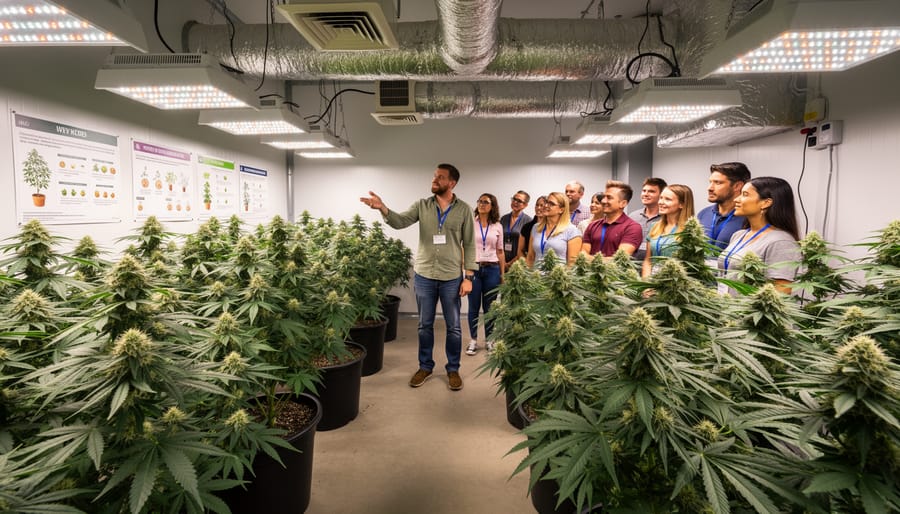
Some licensed cultivation operations open their doors for educational walk-throughs, though access depends on each facility’s licence conditions and security rules. Expect a guide in a clean-room setup, maybe a hairnet and booties, and plenty of explanation rather than free sampling.
You’ll learn the plant science behind it all: how light cycles trigger flowering, why humidity and airflow matter, and how growers track every plant from seed to shelf. Quality standards get a look too, including testing for potency and contaminants before anything is sold.
In smaller northern communities, these facilities can also be meaningful local employers, offering steady work in places where year-round jobs can be hard to find. Ask your guide how the operation hires and sources locally. Confirm tour availability directly with the operator before you plan around it.
Retail and Education Outings
A retail outing works a bit like a guided tour of a well-organized pantry. Instead of wandering the aisles alone, you follow a staff member who explains what each product category is, how it’s made, and what the packaging is actually telling you. Many travelers say the label is the real puzzle, so a good session slows down and decodes it.
You’ll learn how to read potency percentages, why THC and CBD behave differently, and what terms like “dried flower,” “extract,” or “edible” mean in practice. Staff can also explain why a low-dose product suits a first-timer better than a strong one. Ask plenty of questions, keep the pace relaxed, and treat it as a lesson rather than a shopping spree.
Wellness, Culinary, and Creative Pairings
Beyond the grow room and the shop counter, some operators build experiences around creativity and well-being. Think of a hands-on cooking class using hemp seeds and hemp oil, a slow morning stretch session paired with a talk on plant-based wellness, or a painting workshop where the plant is the subject rather than the activity. These suit travelers who want to learn something and make something, not just look around.
Offerings here are still taking shape. One operator might run a monthly cooking evening while another hosts workshops only in summer, and some skip them entirely. Ask about schedules, what’s included, and whether any consumption is part of the session before you book.
Outdoor-Friendly Itineraries
The smartest way to pair a cannabis education stop with the outdoors is to treat them as two separate parts of the day. Do the learning session in the morning or early afternoon, then keep everything on the water or the trail strictly clear-headed. Paddling, portaging and route-finding all demand sharp judgment, and impairment on a lake or in the backcountry is both unsafe and illegal.
A good rhythm looks like this: a morning workshop, a canoe or hike in the afternoon, then stargazing and a campfire once you’re settled at camp. If you’re weighing a day hike against something longer, our guide to trekking vs hiking helps you match the route to your energy. For ideas on where to base yourself, browse the top northern destinations and plan around the wilderness first.
Who Weed Tours Suit, and How Travelers Use Them
Not every traveler arrives with the same reason, and that’s part of what makes these outings useful. Here’s how people tend to fit them into a northern trip:
- Education and curiosity: first-timers who want plain answers about plants, labels, and local rules.
- Wellness exploration: visitors interested in how cannabis products are discussed in a health-and-wellbeing context.
- Culinary and creative workshops: hands-on sessions built around cooking, art, or craft.
- A rainy-day or evening activity: something to do between big days outdoors.
- Supporting local businesses: spending money with growers, shops, and educators in smaller northern communities.
Think of a tour as a cultural and educational stop rather than the headline of your trip. A good rhythm looks like a morning on the water, paddling a quiet bay while the mist lifts, followed by an afternoon workshop once you’re dry and fed. Then you end the day under the northern sky, clear-headed, with the stars doing the talking. Keeping the wilderness hours sober also keeps them safe, so build that into your plan from the start. If you’re mapping the larger journey, Ontario’s North trip planning is a good place to sort out distances, seasons, and gear, and a solid wilderness safety plan belongs in the same folder.
Who might skip it? Anyone who finds the topic uncomfortable, travels with young children, or simply wants every hour of a short trip on the trail. That’s a perfectly good choice. The lakes and forests aren’t going anywhere.
Respecting Indigenous Lands, Plants, and Perspectives
Every road, lake, and trail in Northern Ontario crosses Indigenous territory, much of it covered by treaties such as the Robinson-Superior and Robinson-Huron Treaties, Treaty 9, and the Williams Treaties. Visiting this region means being a guest on lands that First Nations, Métis, and Inuit peoples have cared for since long before the first cannabis law was written.
That matters for cannabis travel, too. First Nations communities hold their own views on the plant, and their governance can look different from community to community. Some have developed their own cannabis laws or enterprises, while others have chosen not to permit sales or use at all. Don’t assume the rules you learned in one town apply in the next, and never treat a reserve like public land with open access.
When you’re choosing an experience, look for Indigenous-owned or Indigenous-partnered operators where they exist. Ask the operator directly about ownership and partnerships rather than guessing, and let the community’s answer stand. Follow local protocols, such as asking before you photograph people, ceremonies, or sacred sites.
Be curious about traditional relationships with plants and medicines, but approach them as a learner. Listen when knowledge is offered, support Indigenous-led education, and leave ceremonial practices to the people they belong to. Borrowing sacred traditions for a souvenir moment isn’t respect; it’s appropriation. Good travel here starts with humility and a willingness to learn.
Traveling Lightly: Sustainability and the Northern Landscape
The boreal forest and the thousands of lakes and rivers around them are the reason a little care goes a long way up here. Cold, clear water and thin northern soils take a long time to recover from carelessness, so small habits add up.
Start with the operator. Ask how a grow facility handles energy and water, whether packaging is minimal or recyclable, and whether it sources locally. A good operator will answer plainly and without defensiveness. If they can’t, that tells you something too.
Out on the land, follow Leave No Trace. Pack out every wrapper, jar, and lighter, including the tiny bits that blow away at a campsite or portage landing. Don’t leave packaging in a fire pit, and never toss it in the water.
Keep any use well away from wildlife areas, and never light up or flick ash in fire-restricted zones. Dry summers can turn a stray spark into a serious problem.
Treat the landscape as the main attraction, because it is.
Common Questions About Weed Tours in Northern Ontario
Travelers tend to ask the same handful of things before booking, so here are straight answers. Details vary by operator and by the rules in force when you travel, so confirm specifics directly with whoever runs your tour.
Are weed tours legal in Ontario?
Cannabis has been legal in Canada since 2018, and Ontario licenses its growers and retailers, so educational visits to licensed businesses are generally permitted. What a given tour can include, such as facility access or on-site consumption, depends on the operator’s licensing and local rules.
Is there an age requirement, and can I consume on a tour?
You must be 19 or older in Ontario, and operators will ask for valid ID. Many tours focus on education rather than consumption, so ask in advance whether any use is allowed and where.
Can I bring cannabis across the border?
No. Carrying cannabis across the Canada, U.S. border is illegal in both directions, even if you bought it legally, so finish or leave behind anything you purchase before you cross.
Can I use cannabis at campgrounds or provincial parks, or combine a tour with canoeing or hiking?
Policies differ by park and campground, so check the rules for the exact site before you pack. A tour pairs well with a paddle or a hike as long as the two are kept separate: enjoy the clear-headed adventure on the water and trail, and save any cannabis activity for a permitted spot afterward.
Booking ahead is a smart habit too. Smaller northern operators often run limited group sizes or seasonal schedules, so a quick message or call before you arrive can save you a wasted detour, and it’s the best way to get current answers to anything above.
Back at that quiet morning, the mist lifting off the lake and the first loon calling across the water, it’s easy to see where weed experiences fit. They’re one new chapter in Northern Ontario travel, not the whole book. Approached with curiosity, a tour can teach you something real about plants, regulation, and the communities that work within them.
Do it with care, though. Check the current rules before you book, since they differ by province and shift over time. Choose operators who are open about their practices, who respect Indigenous territories and perspectives, and who treat the land lightly. Leave anything cannabis-related on the right side of the border and out of the backcountry.
Then let the region do what it does best. The rivers, the lakes, and the long trails through the boreal forest are still the main event.
