
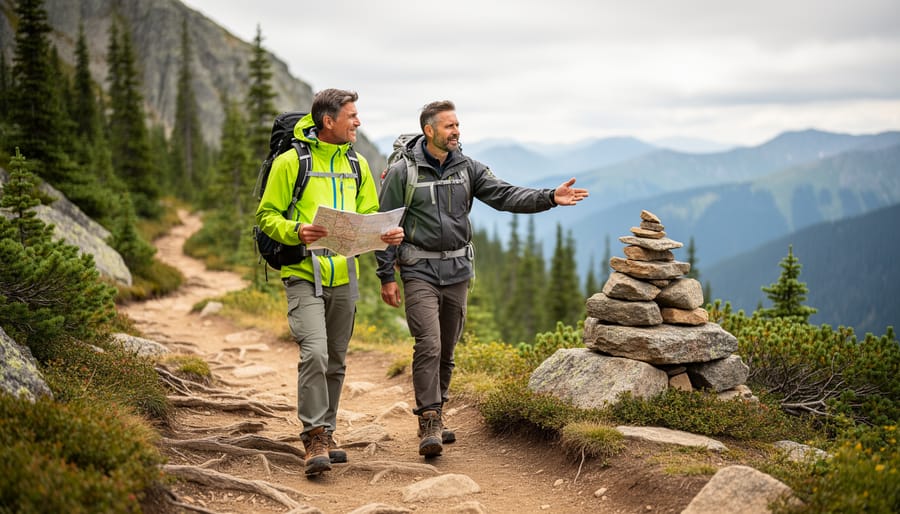
How to Combine Spanish Language Learning with Hiking in Remote Wilderness
Hiking in Spanish combines two transformative skills, wilderness navigation and language fluency, into a single immersive experience that’s gaining traction across Spain’s most dramatic landscapes. The approach is straightforward: enroll in a structured program that pairs intensive morning Spanish lessons with guided afternoon treks through protected natural parks, or design your own bilingual hiking practice by learning trail vocabulary and partnering with Spanish-speaking guides. A typical week-long package, such as those offered in Andalucía’s Sierra de Grazalema or the jagged Picos de Europa, runs €1,645 to €1,860 and includes 30 Spanish lessons alongside three to five supervised hikes. Beginners receive English support during the language instruction, but once you’re on the trail, the real learning begins: identifying flora in Spanish, discussing route choices with your group, and absorbing safety briefings in a second tongue under open sky.
For adventurers drawn to Northern Ontario’s boreal forests and waterways, this model translates beautifully. The region’s rich Anishinaabe and Cree heritage offers parallel opportunities to weave indigenous language learning into backcountry journeys, honoring the names and stories embedded in the land. Instead of Mediterranean scrub, picture yourself navigating granite ridges and black spruce bogs while mastering Ojibwe trail terms or practicing basic Spanish with fellow travelers at a lakeside campsite. The European trend proves that language acquisition accelerates when tied to physical challenge and sensory immersion, when your focus narrows to the cairn ahead and the words for “steep descent” or “bear sign” become survival tools, not textbook abstractions. Whether you book a formal course abroad or adapt the concept to your next Canadian canoe trip, hiking in Spanish (or any target language) rewires how you experience wilderness, turning every summit into a bilingual victory and every conversation into navigation practice.
Why Combine Language Learning with Trail Time
Learning Spanish while hiking taps into how your brain naturally acquires language, through context, repetition, and immediate use rather than memorization at a desk. When you’re navigating a trail with a Spanish-speaking guide, asking “¿Dónde está el sendero?” or discussing the landscape in real time, vocabulary sticks because it solves an actual problem in front of you. Research shows that outdoor movement reduces foreign language anxiety making it easier to speak without the self-consciousness that freezes many learners in a traditional classroom. The rhythm of walking creates mental space for phrases to settle, and the physical exertion shifts focus away from perfectionism.
Culturally, this approach opens doors that textbooks can’t. In Northern Ontario, guided hikes led by bilingual operators or indigenous trail stewards who also speak Spanish create a bridge between languages and worldviews, learning not just palabras but the stories embedded in the land. The same holds true in Spain’s Sierra de Grazalema or Picos de Europa, where afternoon hikes following morning lessons let you practice with locals who know every ridge and river. You’re not a tourist observing from a bus; you’re a participant.
This model also aligns with sustainable travel principles. Small-group hikes and language immersion keep carbon footprints low, support local guides and schools, and encourage slow, deliberate exploration rather than rushed itineraries. Northern Ontario’s vast, multicultural wilderness, shaped by Anishinaabe, Cree, Métis, and immigrant communities, offers a natural testing ground for this fusion, where learning Spanish becomes part of a broader respect for multilingual, land-based knowledge.
What You’ll Need to Get Started
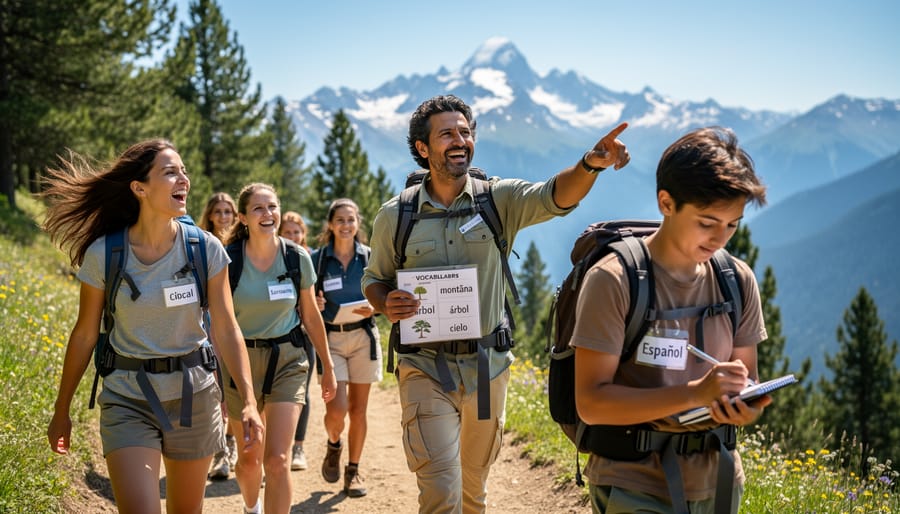
You’ll need two categories of gear: language-learning tools and wilderness essentials. Start with a Spanish phrasebook focused on outdoor vocabulary, trail directions, weather terms, and basic conversation starters. Download offline-capable translation apps like SpanishDict or Google Translate before you leave cell range. Audio lessons work well on Northern Ontario portages or European mountain ascents where you can listen as you walk; podcasts such as Coffee Break Spanish or Notes in Spanish fit perfectly into rest breaks. Carry a small waterproof notebook and pen to jot down new words you hear from guides or fellow hikers, or use a voice recorder app to capture phrases for later review.
For hiking gear, match your kit to the terrain. Northern Ontario’s backcountry demands insect repellent, rain layers for sudden storms, and bear-safe food storage. If you’re booking a package in Grazalema Natural Park or Picos de Europa, pack lighter but bring sun protection and sturdy boots for rocky trails. Our packing tips cover the essentials for any wilderness trip. Multi-day treks require a reliable backpack, water purification tablets or a filter, and a lightweight sleeping setup, learn how to choose a sleeping pad that balances comfort and portability.
Don’t skip navigation and safety tools:
- Course materials: phrasebook, translation app, and audio lessons downloaded offline
- Layered clothing: moisture-wicking base layers, insulating mid-layers, waterproof shell
- Navigation: topographic maps, compass, and GPS device or offline map app
- First-aid kit: bandages, blister treatment, pain relievers, and any personal medications
- Water purification: filter, tablets, or UV pen for backcountry sources
- Emergency beacon: satellite communicator or personal locator beacon for remote areas
Beginners should add trekking poles for stability and a headlamp with extra batteries. If you’re joining a small-group trip with English translation support, you can streamline your language gear to just an app and notebook. For solo or DIY adventures, bring redundant communication devices, cell service vanishes quickly on Northern Ontario’s trails and in Spain’s mountain valleys.
Safety Considerations Before You Hit the Trail
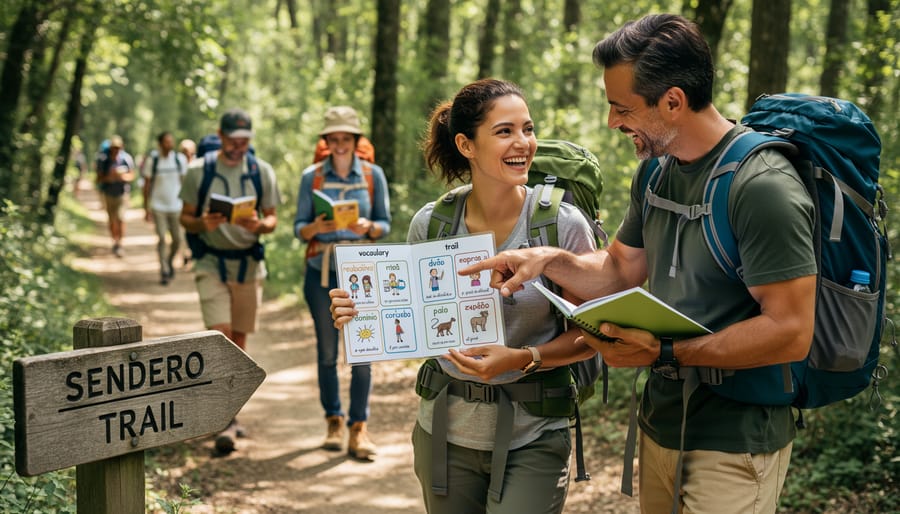
Before you combine language learning with wilderness exploration, understand that communication barriers can turn minor hiking challenges into serious emergencies. Your physical fitness must match the terrain you’ll tackle, and this becomes doubly important when you’re processing trail instructions in a language you’re still learning.
Start by honestly assessing your conditioning. If you struggle on moderate local trails in your native language, don’t assume a Spanish-immersion hike in the Sierra de Grazalema will be easier just because the scenery is beautiful. Most programs expect participants to handle three to four hours of afternoon hiking after morning lessons, often on uneven mountain paths with elevation changes. Build your stamina weeks before departure.
Weather preparedness takes on new complexity in regions like Northern Ontario, where conditions can shift from sunshine to thunderstorms within an hour. Learn essential weather vocabulary in Spanish before you go, but never rely solely on your developing language skills to interpret forecast warnings or guide instructions about changing conditions. Check our safety and health resources for region-specific preparation advice.
Wildlife encounters require clear, instant communication. In Northern Ontario’s backcountry, this means understanding bear safety protocols without translation delays. Ask course providers specific questions: Will guides explain wildlife procedures in English first? Are emergency protocols written in both languages? For beginners, English translation support isn’t optional luxury, it’s a safety essential that reputable programs build into their structure.
Hiking with a partner or joining small groups reduces risk substantially when language barriers exist. Solo hikers should postpone trips until they’ve reached at least intermediate Spanish proficiency or can hire a bilingual guide who understands their first language perfectly. Review additional travel safety tips before committing to any wilderness language program. If weather forecasts show severe conditions, course fatigue has you exhausted, or you don’t understand critical safety briefings, reschedule your hike without hesitation.
Step-by-Step: Planning Your Spanish-and-Hiking Adventure
Choosing Between Formal Programs and DIY Approaches
Structured programs deliver a turnkey experience but demand a bigger upfront investment and fixed schedule. Spain’s formal packages, like the one-week superintensive course with 30 lessons and three afternoon hikes in Grazalema Natural Park, or similar small-group trips through the Picos de Europa, start around €1,645 (US $1,871) and climb to €2,116 depending on dates and accommodation. You’re paying for expert instruction, carefully selected trails, logistics handled by the organizer, and, crucially for beginners, English translation support when your Spanish falters on the mountainside. The intensive 30-lesson format accelerates learning, and the afternoon hikes immediately apply what you practiced in the morning classroom.
DIY approaches cost less and bend to your timeline, but you shoulder all the planning. Download a language app, load trail-specific vocabulary (señal, sendero, mirador), and hire a bilingual guide in Northern Ontario or wherever you’re hiking. Rates for local guides typically run $200 to $400 per day, far below the all-inclusive package price, yet you’ll need to coordinate your own lodging, meals, and transportation. You also lose the curated progression of lessons matched to hike difficulty. This route works best if you already have intermediate Spanish, strong backcountry skills, and the patience to research guides who speak both Spanish and English fluently.
Formal programs simplify everything; DIY rewards the self-reliant planner willing to stitch together the pieces.
Adapting the Model to Northern Ontario Trails
Northern Ontario’s vast backcountry offers a distinctive canvas for the Spanish-and-hiking model, though it requires deliberate planning. Start by researching outfitters in regions like Algonquin Park, Temagami, or Lake Superior Provincial Park who employ bilingual guides or can connect you with Spanish-speaking naturalists. Many tour operators in the region pride themselves on cultural inclusivity and may already work with guides from Latin American or Spanish backgrounds. Reach out directly, explain your goals, and ask if they can customize a trip that incorporates language practice during paddling portages or evening campfire conversations.
For solo trekkers or those unable to find bilingual guides, download Spanish podcasts or audio lessons before you head into areas with limited cell service. Queue up vocabulary focused on flora, fauna, navigation, and safety terms, then listen during long portages or rest breaks. Pair your device with a portable solar charger to maintain power on multi-day excursions.
The region’s strength lies in its deep connection to Indigenous culture so consider weaving Anishinaabemowin or Cree phrases into your learning alongside Spanish. This dual approach honors the land’s original stewards and enriches your cultural understanding. Ask guides about local place names and their meanings, or study a basic indigenous phrasebook before your trip.
Respect for environmental sustainability is non-negotiable here. Choose small-group experiences that follow Leave No Trace principles, minimize campfire impact, and support indigenous-led tourism initiatives. These lower-impact trips align with the ethos of mindful, immersive learning while preserving Northern Ontario’s wilderness for future learners and adventurers.
How to Know It’s Working: Tracking Progress on the Trail
Tracking your progress matters because language learning on the trail isn’t about perfect grammar, it’s about real communication in real moments. You’ll know the method is working when you catch yourself understanding your guide’s instructions about the next switchback without mentally translating each word first. That split-second comprehension, where Spanish flows directly into action, signals genuine progress.
Start noticing the small wins. Can you ask for water, comment on the view, or warn a fellow hiker about loose rocks without rehearsing the phrase in your head? Those spontaneous utterances count more than classroom recitations. Keep a trail journal in Spanish, even if it’s just three sentences describing the day’s hike. When you reread entries from week one and realize how much more vocabulary you’re using naturally, you’ll see the arc of improvement.
Physical milestones mirror linguistic ones. If you started with beginner-friendly trails and now confidently tackle moderate terrain while chatting with your group, you’re ready for more intensive courses or longer treks. Consider upgrading from afternoon walks to multi-day backcountry routes where Spanish becomes your primary communication tool, not just a lesson overlay.
After your trip, momentum fades fast without intention. Join a Spanish conversation group that organizes local hikes, or start one yourself. Northern Ontario’s trail networks offer perfect venues for bilingual hiking meetups. Download podcasts in Spanish for your solo hikes at home. Schedule a return trip, maybe those seven-day Picos de Europa adventures with small groups, within six months while the fire still burns. Language lives in use, and the trail keeps calling you back to practice.
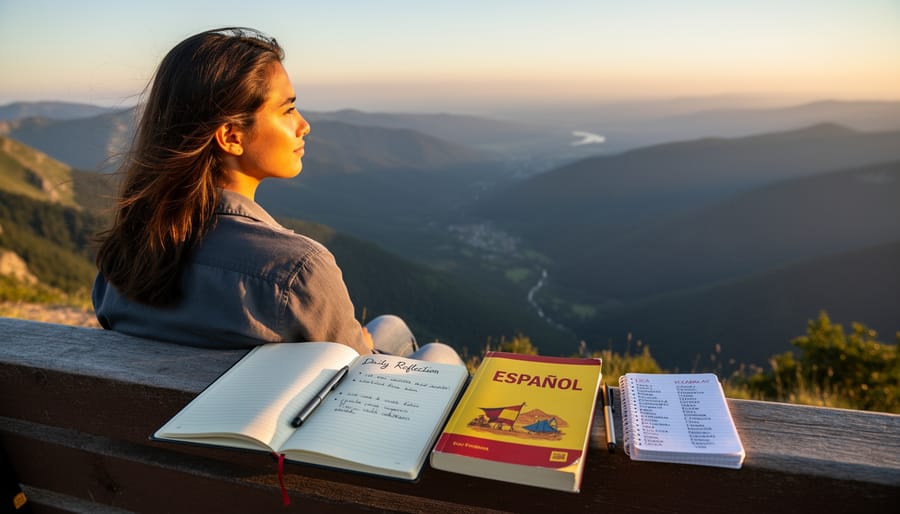
Common Questions About Hiking In Spanish
Is Hiking In Spanish suitable for absolute beginners with no language experience?
Yes, many programs are designed for beginners and include English translation support during hikes. The one-week superintensive courses in Grazalema and Picos de Europa offer 30 lessons with afternoon hikes, allowing you to build basic vocabulary before hitting the trail.
Can I do this solo or do I need to join a group?
Both options work. Formal packages typically involve small groups, which provide social learning and shared safety. Solo travelers can hire bilingual guides for one-on-one instruction on Northern Ontario trails or choose self-guided study with audio lessons, though hiking with at least one partner is safer in remote areas.
What if I’m not physically fit enough for challenging mountain hikes?
Most programs offer multiple difficulty levels. Start with flat or gently rolling terrain, many Northern Ontario trails are accessible without technical climbing. You can gradually increase intensity as your fitness improves, or stick with shorter, easier hikes that still provide immersive language practice.
How do I find Spanish-speaking guides in Northern Ontario?
Contact regional tourism boards, outdoor adventure companies, or cultural organizations that serve Hispanic communities. Some eco-tour operators offer bilingual guides who can customize hikes to include language instruction, especially in areas with multicultural populations.
Are there age restrictions for these programs?
No universal age limits exist. Packages in Spain welcome adults of all ages who can handle moderate hiking. For younger participants or seniors, choose routes and course intensities that match physical abilities, many providers adjust itineraries based on individual needs.
What happens if weather forces a hike cancellation?
Reputable programs build flexibility into their schedules. You might shift to indoor conversation practice, cultural activities, or reschedule the hike for another day. In Northern Ontario’s variable climate, always have a backup plan and discuss cancellation policies with your guide or course provider before booking.
These questions reflect the most common concerns from travelers considering a Spanish-and-hiking adventure. The key takeaway: this experience adapts to your starting point, whether you’re a complete beginner taking your first Spanish lesson on a gentle lakeside trail in Northern Ontario or an intermediate learner ready for steep climbs in Andalucia’s natural parks. Physical fitness matters less than willingness to learn and explore at your own pace. If you’re uncomfortable navigating solo, small-group packages offer built-in support and camaraderie. The model is flexible enough to fit various fitness levels, schedules, and budgets, from structured week-long programs starting around €1,645 to DIY weekends with a hired bilingual guide and a phrasebook. Weather and logistics can shift plans, but the core reward remains: combining two powerful learning experiences into one transformative journey.
Hiking In Spanish offers more than a language course or a wilderness trek, it’s a bridge between worlds. When you learn verb conjugations on a mountain trail or practice greetings with a guide as you cross a Northern Ontario portage, the language becomes lived experience, not classroom theory. You’re not just memorizing phrases; you’re using them to navigate terrain, share stories around a campfire, and connect with people whose cultures are woven into the landscape itself.
This approach transforms both sides of the equation. Spanish gains context and urgency when you need it to communicate on the trail. Hiking becomes richer when you can converse with guides about indigenous traditions, local ecology, or the history of the land beneath your boots. Whether you choose a formal program in Grazalema Natural Park or Picos de Europa, or you design your own experience with bilingual guides on the rivers and forests of Northern Ontario, you’re committing to sustainable, small-group travel that respects both people and place.
Planning your 2026 adventure starts now. Assess your fitness, choose your destination, and take the first step, literally and linguistically. The trails are waiting, and so is the language that will help you truly see them.
