
How to Choose the Perfect Hiking Outfit for Women: A Buying Guide for Northern Ontario Trails
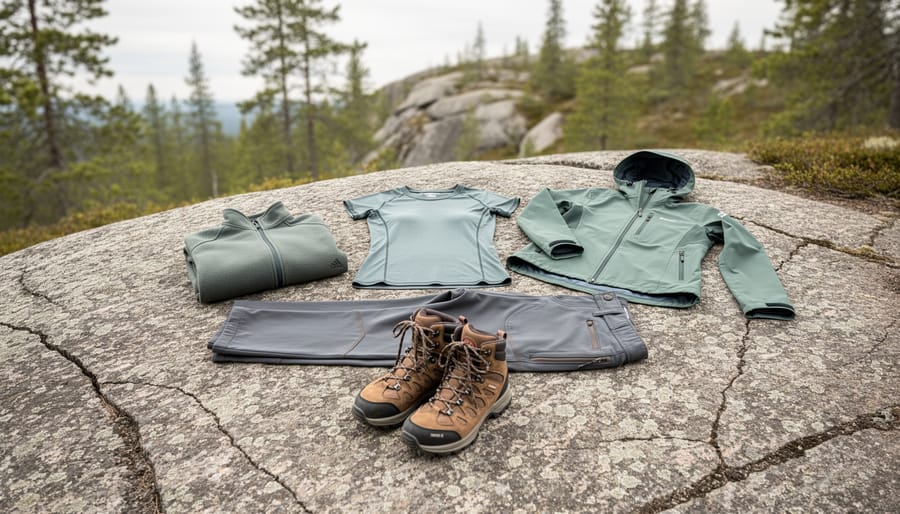
The right women’s hiking outfit for Northern Ontario’s rugged backcountry combines three essentials: moisture-wicking base layers, weather-adaptive mid and outer layers, and footwear built for variable terrain. With the rise of functional hiking dresses and performance apparel designed specifically for women’s bodies, you no longer need to compromise between comfort and capability on the trail. Whether you’re planning a day hike through boreal forests or a multi-day canoe portage adventure, assembling an outfit that handles sudden temperature swings, unpredictable rain, and the region’s notorious black flies requires thoughtful choices that respect both your comfort and the land you’re exploring.
The landscape here demands more than generic packing tips. From the Canadian Shield’s exposed granite ridges to dense old-growth forests where Anishinaabe communities have walked for millennia, your clothing choices become part of your safety strategy. Recent innovations mean women’s hiking gear now includes supportive boots, waterproof pants, and moisture-wicking tops designed for conditions ranging from 30 to 90 degrees, often within a single trek.
But there’s a challenge: hiking clothing prices continue rising in 2026, making smart purchasing decisions more critical than ever. This guide walks you through the key factors that matter most, compares traditional layering systems with emerging options like hiking dresses, recommends sustainable brands that align with environmental values, and helps you avoid costly mistakes that leave you uncomfortable on the trail.
What to Consider When Choosing Your Hiking Outfit
Weather Protection for Northern Ontario’s Variable Climate
Northern Ontario’s trails demand gear that handles wild swings. You might start a morning hike in 30-degree fog, hit 90 degrees by midday, then face sudden hail, wind and heavy rain by afternoon. That’s not hypothetical, it’s a typical summer week here.
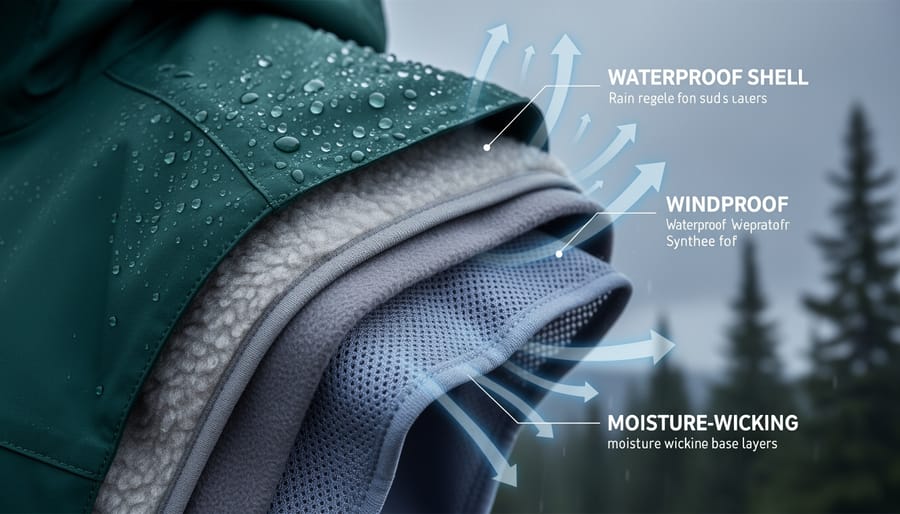
Look for a three-layer system. Your base layer should feature fabric where moisture-wicking reduces heat stress during humid climbs along the lake trails. A breathable mid-layer handles temperature drops when you move from exposed riverside paths into dense forest. Your outer shell matters most: prioritize waterproofing rated for sustained downpours, not just light drizzle, especially if you’re venturing beyond day hikes.
Wind resistance becomes critical on exposed ridges and open tundra sections where gusts can knock you off balance. Choose waterproof pants for rain with sealed seams rather than water-resistant treatments that fail after a few seasons. Check that zippers and closures actually keep weather out, cheap hardware lets moisture seep through at wrists and collars exactly when you need protection most.
Sustainable Materials and Environmental Responsibility
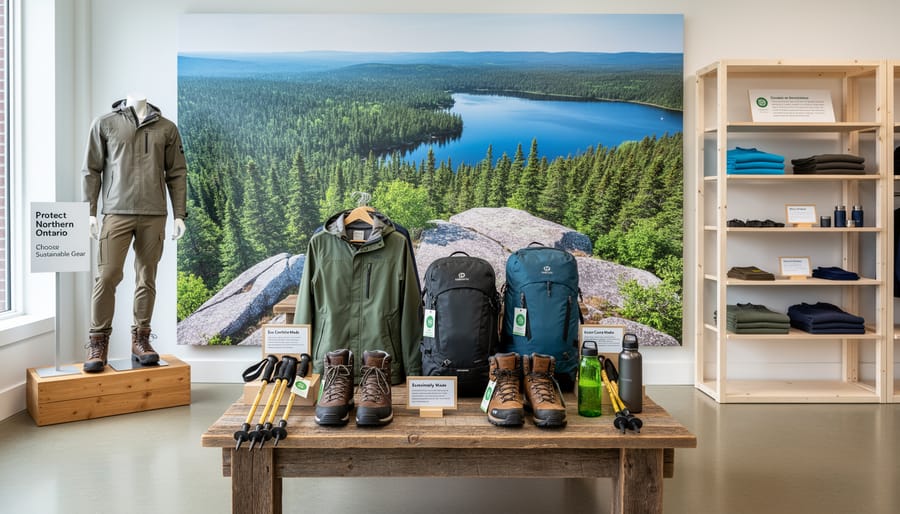
Northern Ontario’s pristine wilderness, from the boreal forests to the countless freshwater lakes, demands our active protection. When you choose hiking apparel made from recycled polyester, organic cotton, or renewable materials like Tencel, you’re reducing the environmental footprint of your outdoor adventures. The production of conventional synthetic fabrics releases harmful chemicals into watersheds similar to those you’ll explore on the trail, making sustainable choices a direct way to honour the land.
Look beyond vague “eco-friendly” marketing claims. Genuine environmental credentials include certifications like bluesign or Fair Trade, transparent supply chain information, and concrete commitments such as carbon neutrality or tree-planting programs. Brands like Passenger Clothing demonstrate real sustainability through traceable materials and responsible manufacturing, while Tentree has built its identity around environmental restoration efforts that align with Northern Ontario’s conservation values.
This isn’t just about feeling good, it’s about respecting the Indigenous territories you explore and ensuring future generations can experience the same untouched landscapes. Durable, well-made sustainable gear also lasts longer, reducing waste and ultimately saving money despite higher upfront costs. When your clothing choices reflect the environmental stewardship valued by local communities, you become a more responsible visitor to this remarkable region.
Fit, Comfort, and the End of Men’s Department Shopping
For decades, women hikers faced an uncomfortable choice: squeeze into poorly fitting “women’s” gear that prioritized pink colorways over performance, or head to the men’s department for technical features in boxy cuts that bunched, gaped, and chafed on the trail.
Those days are over.
Modern women’s hiking apparel is engineered around actual female bodies. That means curved waistbands that sit where women’s waists actually are, hip space that accommodates natural proportions without excess fabric, and shoulder seams positioned for narrower frames. You’ll find longer torso options, designs that account for chest movement without restriction, and pocket placements you can actually reach.
This shift reflects manufacturers finally recognizing what women have been saying all along: we need gear designed for us, not downsized men’s patterns in pastel shades.
The technical performance is there too. Moisture-wicking tops pull sweat away from your skin during humid Northern Ontario summers. Waterproof pants keep you dry through sudden downpours. Supportive boots provide the ankle stability and grip you need on rocky trails.
When you’re choosing hiking clothes in 2026, you’re shopping from brands that understand fit and function aren’t competing priorities. They’re inseparable requirements for gear that actually works on the trail.
Types of Women’s Hiking Outfits: From Traditional Layers to Hiking Dresses
Traditional Separates: Tops and Pants
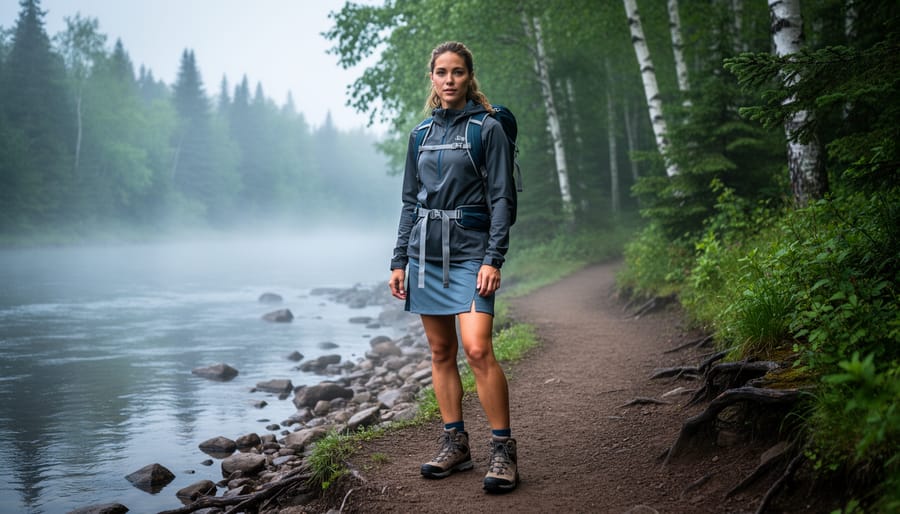
Traditional separates remain the go-to choice for most Northern Ontario hikers, and for good reason. A moisture-wicking base layer top paired with waterproof pants gives you unmatched control when conditions shift from humid morning fog to sudden afternoon downpours. This combination excels on technical backcountry routes where you need full leg protection from underbrush, and it’s your best bet when temperatures swing dramatically throughout the day.
Start with a synthetic or merino wool base layer that pulls sweat away from your skin during steep climbs. Add a mid-layer fleece or lightweight jacket for mornings when the thermometer reads 30 degrees near the lakeshores. Your waterproof pants should breathe well enough to prevent overheating but seal out heavy rain and wind completely. The beauty of separates lies in their modularity: strip down to your base layer when the sun pushes temperatures toward 90, then add layers back as clouds roll in.
For extended trips through the region’s forests and river valleys, this classic system lets you swap out a sweaty top while keeping dry pants on, maximizing versatility across multiple days without overpacking.
Hiking Dresses: The Emerging Trend
Hiking dresses emerged as a genuine technical alternative to traditional separates, and by 2026 they’ve proven themselves on everything from day hikes to extended backcountry trips. These aren’t the casual sundresses you might wear in town. Technical hiking dresses combine moisture-wicking fabrics with strategic ventilation, built-in shorts or liners for coverage, and pockets designed to carry essentials without adding bulk.
What makes them work on Northern Ontario trails is their unexpected versatility. The single-piece design eliminates the waistband pressure that comes from layered separates, which matters during long days when you’re climbing over rocky terrain or scrambling along lakeside paths. The freedom of movement helps when navigating fallen logs or crossing streams. Many hikers find them cooler in summer humidity yet easy to layer over leggings when temperatures drop.
Performance on multi-day treks comes down to fabric choice and cut. Look for dresses made from technical materials that dry quickly after river crossings or sudden rainstorms, with enough length to prevent chafing but not so much that brambles become an issue. The best designs include secure zippered pockets and adjustable features that let you adapt as conditions shift from 30 to 90 degrees.
The trend’s momentum reflects a broader shift: women no longer accept that functional hiking gear means shopping in the men’s department. Technical hiking dresses prove you can have both performance and personal style without compromise.
Hybrid and Convertible Options
Hybrid gear bridges the gap between style and adaptability when Northern Ontario’s weather turns unpredictable mid-trail. Convertible pants with zip-off legs handle morning chill and afternoon heat without requiring a full outfit change, while skorts combine the coverage of shorts with the freedom of movement that technical skirts offer. These pieces shine during extended backcountry trips where pack weight matters and conditions shift from riverside humidity to exposed ridge winds.
Layering systems built around versatile base pieces give you more mileage from fewer items. A moisture-wicking tank paired with a lightweight long-sleeve and a packable rain shell adapts to the 30-to-90-degree temperature swings common in the region. When you’re considering trekking vs hiking for your Northern Ontario adventure, convertible gear proves especially valuable on multi-day routes where laundry access disappears and weather forecasts become suggestions rather than guarantees.
Look for pieces with multiple configuration options: pants that become capris, jackets with removable sleeves, or dresses with built-in shorts that work alone or layered over leggings. The initial cost runs higher than single-purpose items, but the versatility pays off when one convertible piece replaces three separate garments in your pack.
Recommended Brands and Outfits for Northern Ontario Hiking
Passenger Clothing: Sustainable and Fun
Passenger Clothing stands out for travelers who want their gear choices to reflect their environmental values without sacrificing personality on the trail. The brand builds its reputation on sustainable manufacturing practices while delivering designs that feel refreshingly playful compared to the utilitarian aesthetic that dominates much outdoor apparel.
Their hiking pieces work particularly well for Northern Ontario’s conditions because they balance technical features with versatile styling. You’ll find moisture-wicking fabrics that handle humid forest trails, weather-resistant materials for sudden rain showers, and comfortable fits designed specifically for women’s bodies rather than adapted men’s cuts. The color palettes and patterns bring energy to your trail wardrobe while maintaining the durability needed for rocky paths and riverside scrambles.
What makes Passenger especially appealing for adventurous travelers is how their sustainable approach honors the wilderness you’re exploring. When you’re hiking through traditional territories and pristine landscapes, choosing gear from a brand committed to reducing environmental impact becomes part of respecting the land itself.
Tentree: Eco-Conscious with Style
Tentree stands out for women who want their hiking outfit to reflect environmental values without sacrificing personality. The brand plants ten trees for every item purchased, making each piece you wear on Northern Ontario trails a direct contribution to reforestation efforts that align with the region’s conservation priorities.
What makes Tentree appealing is how sustainability doesn’t mean boring. Their hiking tops and bottoms feature playful patterns and flattering cuts that bring cute vibes to the trail while delivering the moisture-wicking performance you need for humid summer hikes along the region’s lakeside paths. The pieces layer easily for temperature shifts between shaded forest sections and exposed rock faces.
For adventurous travelers exploring Northern Ontario’s wilderness, Tentree offers a way to honor the land you’re walking through. The brand’s use of recycled and organic materials reduces environmental impact while creating comfortable clothing that moves with you on riverside scrambles and backcountry adventures, proving eco-conscious choices enhance rather than limit your trail experience.
Happy Earth: Millennial-Friendly Hiking Gear
Happy Earth speaks directly to millennial hikers who refuse to choose between environmental consciousness and aesthetic appeal. The brand’s signature earth-toned palette and minimalist designs translate beautifully from city coffee shops to Northern Ontario’s forest trails, offering that coveted “millennial core” vibe without compromising on trail performance. Their moisture-wicking fabrics handle humid summer hikes along lakeside paths, while their thoughtful design details, like subtle pockets and versatile silhouettes, work whether you’re navigating riverside trails or paddling to backcountry campsites.
What sets Happy Earth apart is how their pieces layer seamlessly for the region’s unpredictable weather. A base layer that looks intentional rather than purely technical pairs naturally with waterproof outer layers when those sudden rainstorms roll in. The brand understands that millennial travelers exploring Northern Ontario want gear that photographs well at scenic overlooks while actually performing during multi-hour treks through the wilderness.
Acai Outdoor: Technical Performance
Acai Outdoor carves out a distinct position by prioritizing technical performance without compromising contemporary design. While newer brands sometimes lean heavily into aesthetics at the expense of function, Acai builds from a foundation of proven outdoor technology first, then integrates modern styling that appeals to women who refuse to choose between capability and appearance.
Their hiking clothes emphasize advanced moisture-wicking fabrics and strategic ventilation systems that handle Northern Ontario’s humidity and temperature swings effectively. The cut and construction reflect real trail testing rather than fashion theory, pieces that move naturally during scrambles over rocky outcrops or long days navigating forest paths. Details like reinforced high-wear zones and thoughtful pocket placement reveal a design process rooted in actual backcountry use.
What distinguishes Acai is their recognition that technical excellence and contemporary aesthetics aren’t opposing forces. Their collections demonstrate that waterproofing, breathability, and durability can coexist with clean lines and flattering silhouettes, making them particularly appealing for hikers exploring Northern Ontario’s challenging terrain who want gear that performs under pressure while reflecting their personal style on the trail.
Building Your Complete Outfit
Building a versatile outfit system means starting with a moisture-wicking base layer from brands like Tentree or Happy Earth, adding waterproof pants or a technical hiking dress as your middle layer, and topping it with a wind-resistant jacket from Passenger Clothing. This layering approach lets you adapt quickly when Northern Ontario’s conditions swing from warm lakeside trails to sudden rainstorms or cooler forest paths. Before your multi-day trek, stock up on camping supplies near you and pack at least two complete outfit combinations so you can rotate pieces while one set dries at camp, ensuring you’re never caught unprepared in the backcountry.
Complementing Your Outfit: Essential Footwear and Accessories
Why Hiking Boots Matter for Northern Ontario Trails
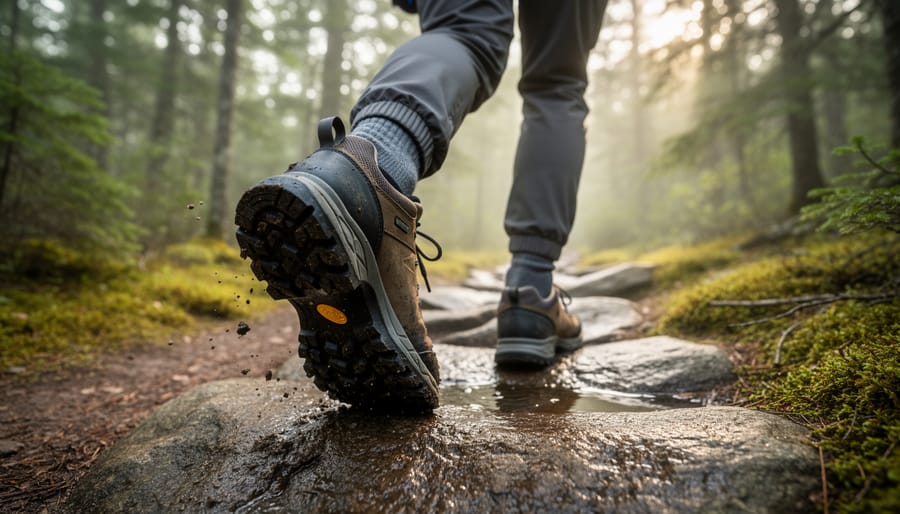
Northern Ontario’s trails demand footwear that can handle everything from muddy riverside paths to rocky backcountry scrambles. While your hiking shoes for women might look stylish paired with your new hiking dress, they need serious technical chops to keep you safe and comfortable.
Waterproofing is non-negotiable here. The region’s sudden rainstorms and stream crossings mean your feet will encounter water, and wet boots turn a pleasant day hike into a miserable slog. Look for genuine waterproof membranes, not just water-resistant coatings that fail after the first puddle.
Grip matters even more than you might expect. Northern Ontario’s granite outcroppings, slick moss-covered rocks near waterfalls, and muddy forest trails require aggressive tread patterns that bite into varied surfaces. Inadequate traction is not just uncomfortable, it is dangerous when you are navigating steep descents or crossing wet logs over creeks.
Ankle support becomes critical on longer trips with a loaded pack. The uneven terrain and root-crossed paths will test your stability, and proper boot height with structured support prevents rolled ankles that can end your adventure prematurely. Skip the low-cut fashion hikers for serious backcountry exploration.
Accessories That Complete Your Hiking Look
Beyond your outfit, a few strategic accessories transform your Northern Ontario hiking experience while respecting the environment you’re exploring. A wide-brimmed hat serves double duty, protecting you from summer sun along exposed lakeside trails and shielding you from sudden rain showers common in the region. Choose sun protection made from sustainable materials, and consider neck gaiters that adapt to variable conditions from 30 to 90 degrees.
A lightweight pack matters more than many hikers realize. Select a 20-30 liter daypack made from recycled materials that carries water, layers, and emergency supplies without overwhelming your frame. Look for designs that distribute weight comfortably across your hips rather than pulling at your shoulders during long forest treks.
Durable water bottles, preferably stainless steel or other reusable options, reduce waste on the trails. Many visitors to Northern Ontario’s wilderness areas embrace Leave No Trace principles that align with indigenous stewardship traditions, your gear choices reflect that respect. Quick-dry towels, biodegradable soap for backcountry camping, and sturdy trekking poles for river crossings complete a thoughtful accessory system that honours both your comfort and the land itself.
Respecting Indigenous Land Through Your Gear Choices
When you hike through Northern Ontario, you walk on land with thousands of years of indigenous history and stewardship. The gear choices you make can honor that legacy. Selecting durable, sustainable hiking outfits demonstrates Indigenous land respect by reducing waste and environmental impact on these traditional territories.
Indigenous communities have long practiced principles of taking only what’s needed and minimizing harm to the land. When you invest in quality pieces that last multiple seasons rather than fast-fashion hiking gear that falls apart after a few trails, you align with these values. Brands committed to sustainable materials, ethical production, and environmental responsibility create clothing that treads more lightly on the ecosystems you explore.
This approach extends beyond choosing eco-friendly fabrics. It means buying fewer, better pieces that won’t end up in landfills, supporting companies that give back to conservation efforts, and maintaining your gear properly so it serves you for years. Your hiking outfit becomes part of your own practice of environmental stewardship as you experience Northern Ontario’s rivers, forests, and backcountry trails.
Common Mistakes to Avoid When Choosing Hiking Outfits
Underestimating Northern Ontario’s Weather Variability
Many first-time visitors pack as if Northern Ontario summers are uniformly warm, then find themselves unprepared when conditions shift dramatically. The region’s weather can swing from 30 to 90 degrees within days, and sudden hail, extreme wind, or heavy rain can appear even during otherwise pleasant weeks. This variability demands layering systems that adapt quickly rather than single-outfit approaches. Review Northern Ontario safety tips before your trip to understand the region’s weather patterns and prepare accordingly. A moisture-wicking base layer, insulating mid-layer, and waterproof outer shell give you the flexibility to respond when conditions change mid-hike. Checking multi-day forecasts helps, but carrying adaptable gear matters more than trusting predictions in this climate.
Sacrificing Function for Fashion (or Vice Versa)
The myth that functional hiking gear looks drab while stylish pieces lack performance has collapsed in 2026. Modern brands now deliver technical fabrics with contemporary cuts, proving you can have moisture-wicking capabilities and aesthetic appeal in the same garment. The shift means you won’t sacrifice waterproofing for a flattering silhouette or choose between wind resistance and visual interest.
What changed? Women’s hiking apparel finally escaped the men’s department trap. Brands like Passenger Clothing, Tentree, and Happy Earth build technical features into designs that reflect personal style rather than forcing you to pick one priority. A hiking dress with proper moisture management performs as well as traditional separates while offering the look you actually want to wear on the trail. Function and fashion now coexist naturally, so the question isn’t which to choose but which combination suits your adventure best.
Ignoring the True Cost and Value
Rising gear prices in 2026 make it tempting to grab the cheapest hiking outfit you can find, but that bargain top that loses its shape after three washes or those “waterproof” pants that soak through on your first rainy trail quickly become expensive mistakes. Cheap synthetic fabrics pill, seams fail, and colours fade, leaving you back at square one within a season.
Instead, view your hiking outfit as an investment in years of Northern Ontario adventures. A well-made moisture-wicking shirt might cost more upfront, but it’ll perform reliably through countless riverside hikes and backcountry trips. Durable pieces maintain their waterproofing, keep their fit, and remain comfortable wash after wash. Calculate cost per wear rather than sticker price: a $90 technical top you wear fifty times over three years beats a $30 one that’s ruined after ten outings. Quality hiking clothes also hold resale value if your needs change, while fast-fashion outdoor gear ends up in landfills. The true cost isn’t what you pay today, it’s what you spend replacing poorly made gear that couldn’t handle the trail.
Main Options Compared
When deciding on your hiking outfit for Northern Ontario’s trails, you’re choosing between three main approaches, each with distinct advantages for the region’s challenging conditions.
Traditional separatesmoisture-wicking tops paired with waterproof pants, offer maximum versatility for weather that swings from 30 to 90 degrees. This combination lets you layer precisely, adding or removing pieces as you encounter hail, extreme wind, or heavy rain. You’ll find the most options here, with modern designs finally offering comfortable fit without raiding the men’s department.
Hiking dresses represent the emerging alternative that’s gained serious traction in 2026. These technical garments combine style with function, offering freedom of movement and ventilation for humid summer trails while maintaining the moisture-wicking and weather protection you need. They work surprisingly well for multi-day treks when paired with proper base layers.
Hybrid systemsthink convertible pants, skorts, and modular layering pieces, split the difference. They adapt to Northern Ontario’s unpredictable conditions without requiring a complete outfit change, making them practical for extended backcountry trips where pack weight matters.
Your choice depends on trip length, trail difficulty, and personal comfort. Budget matters too, since hiking clothes prices continue climbing, making durability and versatility crucial factors in 2026.
Frequently Asked Questions About Women’s Hiking Outfits
Can I really wear a dress hiking on Northern Ontario trails?
Absolutely. Technical hiking dresses have evolved to offer moisture-wicking fabrics, built-in shorts, and weather-resistant materials that perform just as well as traditional separates. They’re particularly effective on lakeside and forest trails where temperatures can swing from 30 to 90 degrees, giving you ventilation and freedom of movement without sacrificing functionality.
How many outfits do I need for a multi-day backcountry trip?
Most hikers do well with one wearing outfit plus one clean set, focusing on moisture-wicking pieces that dry quickly overnight. For trips longer than three days through Northern Ontario’s backcountry, consider a third top for rotation, but prioritize versatile, quick-drying items over packing multiple complete outfits.
What makes hiking clothes different from regular activewear?
Hiking gear is designed for extended outdoor exposure and variable conditions, with enhanced waterproofing for sudden rainstorms, superior breathability for all-day wear, and reinforced areas for pack contact and rough terrain. Regular activewear typically lacks the weather protection and durability needed when you’re hours from shelter on remote trails.
How should I care for technical fabrics to make them last?
Wash technical hiking clothes in cold water without fabric softener, which damages moisture-wicking properties, and air-dry when possible to preserve waterproof coatings. For gear with DWR (durable water repellent) finishes, occasional tumble-drying on low heat can actually restore water resistance by reactivating the treatment.
Are expensive hiking clothes worth it when prices keep rising?
Quality hiking gear represents a genuine investment as prices continue climbing in 2026, but durability matters more than brand names. Well-made pieces from sustainable brands like Passenger Clothing or Tentree will outlast cheap alternatives by years, ultimately costing less per wear while reducing waste, a consideration that matters when exploring the pristine wilderness of Northern Ontario.
One question that doesn’t fit neatly into categories but comes up often: what if you already own some pieces but not a complete outfit? Start with what you have and fill gaps strategically. If your existing moisture-wicking top works well, invest next in waterproof pants or a versatile hiking dress rather than replacing everything at once. The goal is building a functional system over time, not achieving perfection before your first trail.
Remember that the region’s indigenous communities have navigated these lands for generations using knowledge passed down through careful observation. While modern technical fabrics offer convenience, the underlying principle remains the same: respect the environment by preparing properly, choose gear that will last, and leave no trace of your passage through these extraordinary landscapes.
Choosing the right hiking outfit transforms your Northern Ontario experience from a test of endurance into genuine adventure. When you’re comfortable through sudden temperature swings, protected from unexpected downpours, and confident that your gear performs whether you’re navigating riverside trails or climbing rugged backcountry routes, you can focus on what matters: the pristine lakes reflecting endless sky, the rustle of ancient boreal forests, the quiet power of this land.
Your outfit choices ripple beyond personal comfort. Selecting sustainable brands and durable pieces demonstrates respect for the environment you’re exploring and honors the stewardship values held by the communities who’ve cared for these territories for generations. Every time you invest in eco-conscious gear over disposable fast fashion, you’re contributing to the preservation of the wilderness that draws you north.
The hiking outfit landscape has evolved. You don’t have to sacrifice style for technical performance or dig through the men’s department hoping something fits. The brands creating women’s hiking clothes in 2026 understand that function and aesthetics aren’t opposing forces. Whether you choose traditional separates, embrace the hiking dress trend, or build a hybrid system, you can look good and feel great while tackling everything Northern Ontario throws at you.
Pack your chosen outfit, lace up those waterproof boots, and head out. The trails are waiting, and you’re ready.
