

Guide to Local TV Programs in Northern Ontario: Coverage, Stations, and Viewing Tips
When you’re traveling through Northern Ontario’s remote wilderness, accessing local TV program guides isn’t just about entertainment. It’s a critical tool for monitoring weather alerts, tracking forest fire warnings, and staying connected to the communities you’re exploring. Apps like TV-Guide Canada and TV Passport now provide comprehensive listings for all major Canadian stations, available through satellite, cable, and antenna services across the region, and you can access them even before you arrive.
For adventurers heading into the backcountry, local television serves as your digital campfire. Indigenous-language broadcasts from channels like APTN offer insights into Anishinaabe and Cree traditions that shape the land you’re traversing. Regional news stations broadcast real-time updates on trail conditions, wildlife sightings, and severe weather systems rolling across Lake Superior. These aren’t the polished metropolitan programs you’d find in Toronto or Ottawa. They’re raw, essential, and deeply rooted in the rhythms of the North.
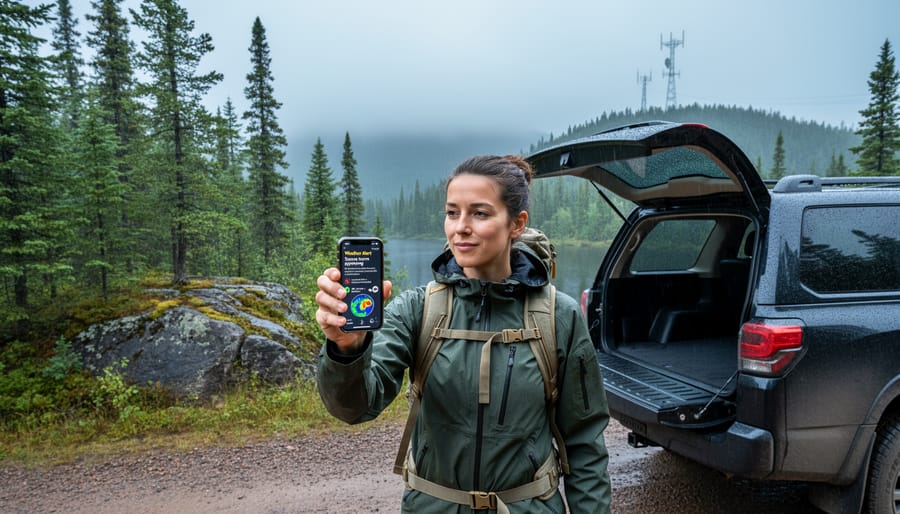
The shift toward mobile TV guide apps has transformed how travelers prepare for wilderness expeditions. You can download schedules while you still have cell service in towns like Thunder Bay or Timmins, then reference them offline at your campsite. Emergency broadcasts reach these services faster than social media, and during summer storm season or winter blizzards, that fifteen-minute head start from a weather bulletin can mean the difference between a safe shelter setup and a dangerous scramble.
Understanding how to access and interpret Northern Ontario’s television landscape gives you more than schedule information. It connects you to the voices, stories, and survival knowledge of people who’ve called this challenging, magnificent region home for generations.
Why Local TV Matters in Northern Ontario
In Northern Ontario’s vast wilderness, local television serves as far more than entertainment. It’s a critical safety tool, cultural bridge, and community lifeline that connects remote regions spanning thousands of square kilometers. Whether you’re planning a canoe expedition into Wabakimi Provincial Park or exploring the coastal communities along James Bay, understanding local broadcasts can mean the difference between a safe journey and a dangerous situation.
Emergency weather warnings arrive first through television in many remote areas where cell service remains spotty or nonexistent. Severe thunderstorms can develop rapidly over the boreal forest, winter blizzards can shut down entire regions within hours, and spring flooding threatens backcountry routes without warning. The national Alert Ready on TV system pushes emergency broadcasts directly to television screens, ensuring travelers receive critical information about tornadoes, flash floods, and forest fires even when their phones can’t get a signal. Lodge owners monitor local stations religiously during storm season, often gathering guests to watch weather updates before anyone heads out on the trails.
Beyond safety, local television preserves and celebrates First Nations heritage in ways no other medium matches. CBC North Ontario broadcasts in Cree and Ojibwe, APTN shares contemporary indigenous stories alongside traditional knowledge, and regional affiliates cover powwows, treaty anniversaries, and environmental initiatives led by First Nations communities. These programs offer visitors authentic cultural context that deepens their connection to the land and its original stewards. You’ll learn about traditional medicines growing along your hiking route, understand the seasonal rhythms that still guide hunting and fishing, and hear directly from elders about the changing northern landscape.
Top Local TV Stations and Networks to Follow
1. CBC North Ontario

CBC North Ontario stands as the cornerstone of television broadcasting across Northern Ontario’s vast wilderness territories. The station delivers a carefully curated mix of national programming, regional news coverage, and indigenous language content that serves both remote communities and visitors exploring the region’s backcountry trails and waterways.
For travelers, CBC North’s weather forecasts prove invaluable before embarking on multi-day canoe trips or hiking expeditions. The station broadcasts detailed regional updates three times daily, with extended coverage during severe weather events that can transform wilderness conditions in hours. Local news segments frequently highlight trail closures, wildlife activity near popular camping areas, and water levels affecting canoe routes, information you won’t find in national broadcasts or online summaries.
What sets CBC North apart is its commitment to indigenous perspectives and programming. Regular broadcasts in Cree and Ojibwe connect visitors with the cultural fabric of Northern Ontario’s First Nations communities. These segments often feature storytelling from elders, traditional ecological knowledge about seasonal changes, and announcements about powwows and cultural gatherings open to respectful visitors.
The station’s nature and outdoor content includes documentary features on Northern Ontario ecosystems, fishing reports for trophy waters, and interviews with conservation officers about responsible wilderness travel. You’ll catch programming that treats the boreal forest and Great Lakes watersheds as the living landscapes they are, not just scenic backdrops.
CBC North Ontario reaches viewers through all standard methods: over-the-air antenna in population centers, cable packages at lodges and resorts, and satellite service throughout the region’s most remote corners.
2. TVO (TVOntario)
TVO stands out among Northern Ontario’s broadcast options for visitors who want to deepen their understanding of the region’s ecosystems while relaxing after a day on the trails. This provincial public broadcaster delivers documentary-style programming that explores Ontario’s natural heritage with the production quality and depth you won’t find in standard news broadcasts.
The network’s environmental and wildlife content proves particularly valuable for nature enthusiasts planning multi-day wilderness trips. Programs examining boreal forest ecology, wetland systems, and wildlife behavior offer context that transforms your hiking and paddling experiences from simple recreation into informed exploration. You’ll recognize the geological features, bird species, and forest patterns discussed on screen when you encounter them firsthand the next morning.
TVO’s educational mandate means programming avoids commercial breaks and sensationalism in favor of substantive content. Evening documentaries often feature Northern Ontario locations, indigenous knowledge keepers discussing traditional ecological practices, and scientists working in the region’s research stations. This combination makes it ideal viewing for travelers who appreciate learning about a place they’re visiting rather than passive entertainment.
The network reaches virtually all of Northern Ontario through a combination of over-the-air broadcast towers, cable systems, and satellite providers. Most lodges and hotels include TVO in their basic channel lineup. Reception quality remains consistently strong even in remote areas where other stations fade, making it a reliable evening companion in wilderness accommodations throughout the region.
3. APTN (Aboriginal Peoples Television Network)
APTN stands as Canada’s first national indigenous broadcaster, offering programming that bridges traditional knowledge and contemporary First Nations life across Northern Ontario. For visitors exploring the region, the network serves as an essential cultural companion, delivering stories told from indigenous perspectives in ways mainstream channels rarely match.
The network broadcasts entirely in indigenous voices, rotating between English, French, and indigenous languages including Anishinaabemowin and Cree dialects spoken throughout Northern Ontario. Documentary series explore traditional hunting practices, seasonal harvests, and land stewardship methods still practiced by communities you might encounter on your travels. Current affairs programs discuss environmental concerns affecting the territories you’re visiting, from mining impacts to wildlife conservation efforts led by First Nations communities.
APTN’s schedule includes cultural programming that provides visitors with Indigenous cultural context unavailable elsewhere. Cooking shows feature traditional food preparation using wild game and foraged plants, while arts programs showcase beadwork, birch bark canoe building, and other crafts you’ll see in community centers and cultural sites. Elder interviews share oral histories tied to specific lakes, rivers, and rock formations you might paddle past without understanding their significance.
The network reaches Northern Ontario through cable and satellite providers, with many lodges and hotels including it in their channel lineup. Reception via antenna varies by location, though coverage extends across most populated areas and indigenous communities. Programming schedules appear in standard TV guide apps covering Canadian channels, making it easy to plan viewing around your daily adventures.
4. Local CTV and Global Affiliates

CTV Northern Ontario and Global News affiliates deliver the region’s most reliable weather forecasts, essential information when you’re planning a day hike or multi-day canoe expedition. These stations maintain local meteorologists who understand Northern Ontario’s microclimates and can warn of sudden temperature drops, lake-effect snow, or approaching storm systems that could turn a wilderness adventure dangerous.
CTV Northern Ontario broadcasts from Timmins and Sudbury, covering a vast territory from the Quebec border west to Thunder Bay. Their morning and evening newscasts focus heavily on weather patterns affecting outdoor recreation, with detailed forecasts for popular areas like Algonquin Park, Temagami, and the Lake Superior coast. You’ll also catch community event listings that might coincide with your visit, indigenous powwows, regional festivals, or town gatherings where travelers are often welcome.
Global News serves southern portions of the region through its Ontario affiliates, though coverage thins as you head deeper into wilderness areas. Both networks excel at breaking news relevant to travelers: highway closures, forest fire warnings, bear activity alerts, and road condition updates that can affect access to remote destinations.
Reception quality depends entirely on your location. Most towns and established lodges receive clear signals via cable or satellite, but backcountry areas typically have no access. Check with your accommodation beforehand about available channels and reception reliability.
Accessing TV Program Guides in 2026
Finding current TV listings in remote Northern Ontario locations is easier than you might expect, with reliable digital tools bringing program schedules right to your phone even in areas where reception itself can be challenging. While staying current with local programming helps with everything from catching weather forecasts to discovering indigenous cultural content, it also ties into broader Northern Ontario safety tips about staying informed in wilderness areas.
Two primary services dominate the Canadian TV guide landscape in 2026. TV-Guide Canada • Listings CA offers fast TV listings through a dedicated app that covers all major Canadian TV stations across the country. This single app finds programming for cable, satellite, and antenna providers, making it particularly useful for travelers who might encounter different reception methods at various lodges and campgrounds. The service works abroad, so you can plan your viewing schedule before arriving in the region or while traveling internationally.
TV Passport provides comprehensive local TV listings, schedules, and guides for broadcast, cable, IPTV, and satellite service providers throughout Canada. Both services cover the major networks you will encounter in Northern Ontario, including CBC North Ontario, TVO, APTN, and local CTV or Global affiliates.
| Service | Coverage | Access Method | Traveler Benefits |
|---|---|---|---|
| TV-Guide Canada • Listings CA | USA and Canada | Mobile app only | Works abroad, covers all provider types, fast lookup |
| TV Passport | Canada | Web and app | Detailed schedules for broadcast, cable, IPTV, satellite |
Download your preferred service before heading into remote areas where cellular data may be spotty. Both tools let you search by channel, provider, or program name, helping you track down specific indigenous language broadcasts or nature documentaries that air on irregular schedules. The ability to check listings while you still have connectivity means you can note important weather forecast times or cultural programming to catch later at your lodge.
Practical Viewing Information for Visitors
Reception in Northern Ontario’s wilderness areas varies dramatically based on location and terrain. Most established lodges and resorts provide satellite TV service with access to major Canadian networks, including CBC, TVO, and APTN. These properties typically have communal viewing areas where guests can catch weather forecasts and regional news during evening hours.
Antenna reception becomes unreliable once you venture beyond major towns like Thunder Bay or Timmins. The region’s dense forests, rocky terrain, and vast distances between broadcast towers mean over-the-air signals rarely penetrate deep wilderness areas. Satellite remains the only viable option for most remote locations, though heavy tree cover can obstruct even satellite dishes.
When packing for remote trips into backcountry areas, prepare for limited or no TV access:
- Bring a battery-powered radio for emergency weather alerts and updates from CBC North
- Download offline maps and trail information before leaving cellular coverage areas
- Check with your lodge about satellite TV availability and shared viewing schedules
- Consider a portable satellite device for emergency communication rather than relying on TV signals
US travelers should note that American streaming services often restrict content access in Canada due to licensing agreements. Your subscriptions may not work even with internet connectivity at Canadian lodges. TV-Guide Canada • Listings CA works abroad, making it useful for checking Canadian station schedules before arrival, but you’ll need local access methods once here.
Many canoe outfitters and backcountry campsites offer no electronic amenities by design, preserving the wilderness experience. Embrace the disconnect as part of your Northern Ontario adventure, and rely on lodge staff for crucial weather updates when you return to civilization.
Local Tips for Staying Connected
Start your day in Northern Ontario by tuning into CBC North’s morning broadcasts between 6 and 8 AM, when meteorologists deliver detailed weather forecasts tailored to outdoor recreation. These early reports often include UV indexes, lake temperatures, and wind warnings that directly affect paddling and hiking plans. Most experienced guides check the 6 PM local news as well, when stations announce updated trail conditions, recent wildlife sightings near popular routes, and any fire bans across the region.
APTN’s evening programming offers valuable insights into indigenous cultural events, powwows, and community gatherings that welcome respectful visitors. Watch for community calendar segments that highlight upcoming ceremonies and festivals you might attend during your stay. These broadcasts provide context about protocol and participation etiquette that enhances your cultural understanding.
In remote lodges, the common room TV becomes a gathering spot where guests and locals share the evening news together. Respect posted quiet hours, typically starting between 9 and 10 PM, and use headphones if watching in shared spaces. This communal viewing experience often sparks conversations with residents who offer invaluable local knowledge about fishing spots, trail shortcuts, and seasonal wildlife movements. The shared screen creates natural opportunities to connect with the community and learn stories you would not find in any guidebook.
Frequently Asked Questions
Can I access Canadian TV listings from the US?
Yes, the TV-Guide Canada app works abroad, so you can check Northern Ontario TV schedules before and during your trip from anywhere, including the United States.
What channels broadcast in indigenous languages?
APTN features programming in various First Nations languages including Cree and Ojibwe, while CBC North Ontario occasionally includes indigenous language segments. Check local listings for specific broadcast times, as these programs often air during morning and evening slots.
How reliable is TV reception in remote lodges?
Most established lodges use satellite service for consistent reception, though severe storms can temporarily disrupt signals. Backcountry camps and very remote outposts may have limited or no TV access, so confirm with your accommodation beforehand if staying connected matters.
Are there apps that work offline for TV schedules?
The TV-Guide Canada app requires an internet connection to update listings, so download schedules while you have cell or Wi-Fi service before heading into areas with limited connectivity.
Keep in mind that emergency broadcasts cut through even weak signals in most of Northern Ontario, as stations prioritize weather warnings and safety alerts. If you’re planning activities dependent on weather conditions, ask your lodge host about their protocol for checking forecasts, since many wilderness guides monitor local TV each morning specifically for outdoor advisories.
